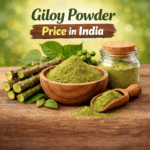
In retail stores, the price of mulethi powder per 100 grams is typically between ₹80 and ₹180, and prices may be around ₹100 – ₹200 for the larger size and less processed forms, such as 1 kg. It is possible to purchase mulethi powder at either retail or wholesale quantities, which makes it a great option for either individual or commercial use. Since mulethi is sold in a variety of locations, there is an opportunity for price variance between locations due to the cost of shipping and availability.
Table of Contents
The cost of mulethi (liquorice) powder in the Indian market is influenced by various factors such as where you purchase, the quality of the herb, the type of product, and the size of the package, as well as the quantity purchased. As a general guideline, mulethi powder is considered to be a low-cost ayurvedic herb. However, as with many products, there is a broad range of prices associated with higher quality and organic varieties of mulethi powder. In this blog, leading manufacturer of herbal medicines, Ayurvedic Pharma Medicines, will help you know the price of mulethi powder in India.
Global Market Insights says that Licorice Extract Market size was valued at USD 2.23 billion in 2023 and is projected to register a CAGR of over 4.5% from 2024 to 2032. This value is owed to the increasing consumer awareness about health benefits associated with the expanding application of licorice in beverages, food, and cosmetic industries.
The Rise of Indian Licorice
Did you know that Himachal Pradesh is creating a new chapter in business? This is a historic moment for farmers in Himachal Pradesh as they can now successfully cultivate and market mulethi or licorice for the first time with the help of the planting material supplied from CSIR-IHBT. It represents a significant development in the agricultural business of the region.
Although we typically think of mulethi as being part of the daily lives of most Indians, mulethi has travelled the world to grow in many areas, such as the Mediterranean, China, Spain, Russia, and Italy, and there are many names given to it based upon where you live (e.g., jothi-madh, sweetwood, or simply mulethi).
It is not a figment of your imagination that every time you buy mulethi powder (its price is changing). There is nothing arbitrary about the price; it is based on specific factors that include:
- The origin/reason of mulethi roots is grown/harvested (i.e., locally or outside of India)
- The manufacturer of the mulethi powder (i.e., their brand value and how they process mulethi)
- How much mulethi do you purchase (e.g., packaged in small tins or large bags)?
What is Mulethi Powder?
The mulethi powder has other names, including its scientific (Latin) name – ‘Glycyrrhiza glabra’ & ‘Licorice Root Powder’; the Muleuri is a very strong herbal medicine that consists of the dehydrated roots of the Licorice plant.
Although the genus Glycyrrhiza is made up of trees with stiff, woody, and cylindrical trunks and/or bark between two and three meters tall, its therapeutic properties derive primarily from the glycyrrhizin compound produced through the root system that exists below the surface of the soil. The actual root of the licorice plant resembles a block of rough, sandy wood that, when tasted, has an unusual sweetness and possesses considerable amounts of active medicinal ingredients.
The Mulethin (mulethi) has long been used in both Mediterranean & Asian cultures as a key element in traditional treatments. There are now many new mulethi farms being developed & opened throughout India, especially in the Himalayan region, making it accessible to all people. In addition to its unique sweetness, mulethi demonstrates a significant ability to support liver health, which is why it is commonly used in Ayurvedic medicine to maintain healthy liver function and heal damaged livers resulting from jaundice, hepatitis, non-alcoholic fatty liver disease, and many other liver disorders.
Nutritional Composition of Mulethi Powder
Mulethi powder contains a variety of bioactive compounds that can contribute to its potential therapeutic effect. Mulethi contains glycyrrhizin, which is an effective anti-inflammatory compound, and it is rich in flavonoids that help combat oxidative stress in the human body. Additionally, mulethi contains liquiritin, which is well known for its ability to brighten skin.
The presence of saponins in mulethi powder enhances its ability to support digestion and the immune system. With the unique combination of compounds, mulethi powder is considered a valuable herb in both Ayurveda and modern herbal science.
What are Mulethi Powder Health Benefits?
When consumed appropriately, mulethi can provide an array of health benefits. One of these is that mulethi can boost your immunity. It has both antiviral and antibacterial properties, allowing your immune system to be more effective at fighting off infections.
Through its effectiveness on respiratory health, mulethi can help soothe a sore throat, ease irritations, and help remove mucus, thereby being a great remedy for a cough and/or cold. In that respect, mulethi will support your digestive system as well.
Mulethi is a popular herb used for treating pigmentation, improving skin tone and treating acne, in addition to the health benefits of mulethi. Mulethi has anti-inflammatory properties that can assist in the reduction of acne and pigmentation and promote healthy, glowing skin when used on a regular basis.
It is also able to help manage stress by supporting the adrenal glands and reducing stress hormones. This can improve overall mental health and well-being.
What are the Best Ways to Use Mulethi Powder?
Ways to Use Mulethi for Best Results
- To obtain the maximum benefits from Mulethi powder, it is necessary to utilise it properly. Boiling the roots in water to make Mulethi tea is one of the best ways to use Mulethi. This can help with relief from sore throat irritation as well as a boost to respiratory health.
- Mixing mulethi powder with honey is another common and successful method of using mulethi. Honey and mulethi make a terrific cough syrup and sore throat solution.
- For skincare, mulethi powder can be mixed with either rose water or milk to create a great face mask. When used together, rose water or milk will brighten and lighten the skin and help clear up blemishes.
- Chewing raw mulethi sticks remains a traditional method for quickly relieving sore throats. By determining the appropriate method for you, you will receive the most benefit from mulethi.
What is the Average Price of Mulethi Powder in India?
Mulethi powder packs are available in different price segments to meet the needs and requirements of customers. The price of mulethi powder is different for retail buyers and bulk buyers in India.
| Pack Size(gram) | Range of Price | Cost/100 gram | Buyer Type | Best for |
| 50 | Rs. 60 to 100 | Rs. 120 to 200 | Personal use | Occasional user |
| 100 | Rs. 150 to 200 | Rs. 150 to 200 | Personal use | Daily user |
| 200 | Rs. 250 to 300 | Rs. 125 to 150 | Personal use | Regular or family use |
| 500 | Rs. 350 to 450 | Rs. 70 to 90 | Small Business | Retail seller, small shops |
| 1 kg | Rs. 600 to 1000+ | Rs. 60 to 100 | Bulk Buyers | Manufacturers, wholesalers, exporters |
What Factors Are Affecting Mulethi Powder Price in India?
There are multiple reasons why the mulethi power price affects India. The main reason is how much pure quality product will get different prices on it, so if the mulethi is of higher quality (there are no additives or chemicals), then it will probably be even more expensive.
In addition, organic mulethi usually has a higher price than regular mulethi as this can only be grown organically (without pesticides or chemicals). The way a product will price itself based on where they grow can vary – e.g., mulethi grown in a region like Himachal Pradesh is considered a premium product.
Other factors influencing pricing are the quality of the processing and the quality of the packaging, as well as consumer perception of the brand. Products with higher-quality processing and packaged in sealed/tightly ventilated packages tend to be priced higher than products with poor packaging. Likewise, established brands will generally be held to a higher price based on consumers’ trust in the brand’s name as an endorsement that the product will be of consistent high quality.
Frequently Asked Questions for Mulethi Powder Price in India:
How often can I consume Mulethi Powder?
Mulethi powder is safe to use daily in small amounts with health benefits related to the immune system, digestive tract, and respiratory system; however, you should check with your physician before consuming it due to potential adverse reactions (side effects).
What is the expiration period for Mulethi Powder?
Depending upon how you store mulethi powder, the expiration period will vary substantially. When stored in an airtight container, mulethi may remain fresh for about 12 months. After opening a vial or pouch of mulethi, you should consume it within 3-6 months after opening for freshness and maximum effectiveness.
Is there a risk of complications / side effects from Mulethi Powder?
Mulethi powder has very few side effects when used in moderate amounts but may lead to various complications / side effects due to excessive consumption, such as elevated blood pressure or swelling caused by excessive water retention or headaches, or hormonal imbalance resulting from the presence of the glycyrrhizin, which occurs naturally in licorice; so consult a doctor if you have an existing heart disease or kidney issues or if you have hypertension.
Is there a benefit of losing weight from consuming Mulethi Powder?
While Mulethi powder will not have an effect on lost weight itself, by producing more energy and improves metabolic rate and digestive function, which will assist you with maintaining your body weight. Additionally, the anti-inflammatory benefits associated would help to support the health of your gastrointestinal tract (gut).
Is Mulethi powder safe for use by children?
Yes, it is safe to give children very small amounts of Mulethi powder (particularly to ease coughing/throat discomfort). Mulethi powder has historically been mixed with honey as part of traditional home remedies. However, only the lowest possible amounts/ dosages of Mulethi powder should ever be given to children or used for an extended period of time unless under the direction of a qualified physician or health care provider.
Where can I purchase Mulethi Powder in India?
You can purchase Mulethi Powder from local Ayurvedic retailers, herbal medicine merchants, grocery stores, etc. You can also easily purchase Mulethi powder from e-retailers such as Amazon, Flipkart, and other websites that offer herbal products.
Is Organic Mulethi Powder better for you than conventional Mulethi Powder?
In general, yes, Organic Mulethi powder is usually viewed as a superior product to traditional Mulethi Powder because it is produced without pesticides, chemicals, or synthetic fertilizers.
Is organic mulethi powder safe for me?
Organic Mulethi Powder is typically safer for you to consume on a long-term basis, and as such, will promote your overall health more effectively. Organic Mulethi powder is usually more expensive than conventional Mulethi powder due to its natural and/or organic nature.
What should I consider when purchasing from an e-retailer?
Make sure to read customer reviews, product ratings, and ingredient lists to ensure the quality of the product you are purchasing from an e-retailer.